Why Knee Pain Gets Worse in Winter, and What Actually Helps
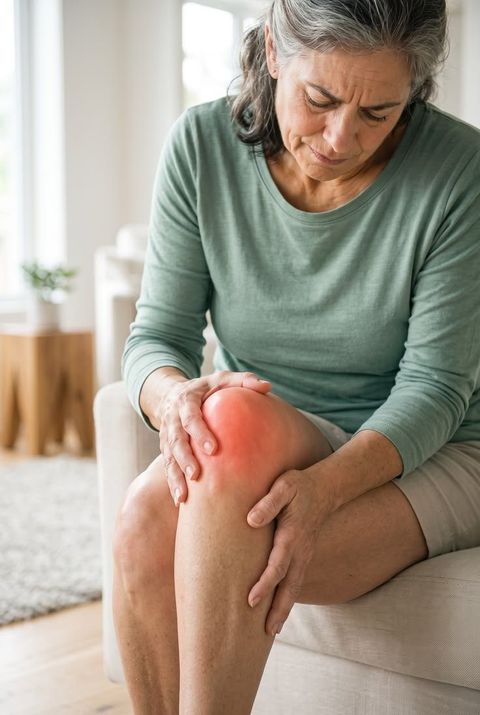
Knee pain is a common problem during the winter months. Some people notice more stiffness when they wake up, discomfort while climbing stairs, or pain after sitting for a long time. Others find that an old knee injury or arthritis becomes more noticeable when temperatures drop. Cold weather may contribute to these symptoms, but it is not the only reason. Reduced physical activity, existing joint conditions, muscle stiffness, and changes in daily routines can also play a role. Understanding why knee pain feels worse in winter can help people choose practical ways to manage it. This guide explains the possible causes, what may provide relief, and when knee pain needs medical attention.
Why Does Knee Pain Feel Worse in Winter?
The connection between cold weather and knee pain is not fully understood. Research has produced mixed results. Some people with arthritis report more discomfort in cold or damp conditions, while other studies have found little or no direct relationship between weather changes and joint pain.
Several factors may help explain why symptoms feel worse during winter.
1. Cold Temperatures Can Increase Stiffness
Cold weather may make muscles and surrounding tissues feel tighter. When the muscles around the knee become less flexible, movement can feel uncomfortable.
People with existing knee problems may notice this more clearly. The discomfort can be especially noticeable when getting out of bed, standing after sitting, or starting a walk.
2. People Tend to Move Less During Winter
Many people reduce outdoor activities when the weather becomes cold. They may walk less, skip exercise, or spend longer periods sitting indoors.
This change can affect the muscles that support the knee. Weak or less active muscles may provide less support to the joint, making everyday movements more difficult.
Regular movement is important because it helps maintain muscle strength, flexibility, and joint function.
3. Existing Arthritis May Become More Noticeable
Osteoarthritis is a common cause of knee pain, particularly among older adults. It develops when the tissues that support the joint gradually change, leading to pain, stiffness, and difficulty moving.
Some people with osteoarthritis report increased discomfort during winter. However, cold weather does not directly cause arthritis or necessarily speed up joint damage.
Other forms of arthritis, including rheumatoid arthritis, can also cause knee pain and stiffness. These conditions have different causes and may require specific medical treatment.
4. Old Injuries Can Cause Recurring Discomfort
A previous knee injury may continue to affect the joint long after the original injury has healed.
People who have experienced ligament injuries, meniscus damage, fractures, or repeated strain may notice discomfort during certain activities.
Cold weather and reduced movement can make existing stiffness more noticeable. However, recurring pain should not automatically be blamed on winter.
5. Changes in Daily Routine Can Affect Pain
Winter can affect sleep, mood, physical activity, and time spent outdoors. These factors can influence how the body experiences pain.
For example, someone who spends most of the day sitting may experience more stiffness than someone who follows a regular movement routine.
A combination of these lifestyle changes may contribute to increased knee discomfort.
Common Signs of Winter-Related Knee Discomfort
Knee pain can feel different from one person to another. Some symptoms are temporary, while others may indicate an underlying joint condition.
Common complaints include:
Morning stiffness: The knee feels tight or difficult to move after waking up.
Pain after sitting: Discomfort appears when standing after sitting for a long time.
Difficulty climbing stairs: Bending or putting weight on the knee causes pain.
Reduced flexibility: The knee feels less comfortable during walking or bending.
Mild swelling: The area around the joint may appear slightly swollen.
Pain after inactivity: The knee feels uncomfortable when movement starts again.
These symptoms do not confirm that cold weather is the cause. Persistent or worsening pain may need medical evaluation.
What Actually Helps Reduce Knee Pain in Winter?
Managing knee pain usually requires a combination of movement, muscle strengthening, suitable pain relief, and changes to daily habits.
The best approach depends on the cause of the pain and a person's general health.
1. Keep the Knee Warm
Keeping the body comfortable in cold weather may help reduce the feeling of stiffness.
Some practical options include:
Wearing comfortable trousers or thermal clothing.
Avoiding prolonged exposure to very cold temperatures.
Taking a warm shower in the morning.
Using a warm compress when the knee feels stiff.
A warm compress can be applied for around 15 to 20 minutes. Keep a towel between the heat source and the skin to avoid burns.
Do not use very hot packs, especially if the skin has reduced sensation. Heat should not be used as a substitute for medical treatment when the knee is significantly swollen or injured.
2. Continue Gentle Physical Activity
Avoiding movement completely can make stiffness and muscle weakness worse. Gentle, regular activity can help maintain knee function.
Suitable activities may include:
Walking on a flat surface.
Stationary cycling with low resistance.
Swimming or water-based exercise.
Gentle yoga movements.
Light stretching.
Start slowly and increase activity according to comfort. If an exercise causes sharp pain, significant swelling, or worsening symptoms, stop and seek advice.
People with severe knee pain or a diagnosed joint condition should ask a physiotherapist or healthcare professional for an appropriate exercise plan.
3. Strengthen the Muscles Around the Knee
The muscles around the knee help support the joint during walking, standing, and climbing stairs.
Strengthening the quadriceps, hamstrings, and hip muscles can improve movement and reduce stress on the knee.
Some exercises commonly used in knee rehabilitation include:
Straight leg raises
Lie on your back.
Bend one knee while keeping the other leg straight.
Tighten the thigh muscle of the straight leg.
Slowly raise it a short distance.
Lower it gently and repeat.
Seated knee extensions
Sit comfortably on a stable chair.
Slowly straighten one knee.
Hold the position briefly.
Lower the foot slowly.
Repeat with the other leg.
Hamstring stretches
Sit near the edge of a stable chair.
Extend one leg with the heel on the floor.
Keep your back relatively straight.
Lean forward gently until you feel a mild stretch behind the thigh.
Hold briefly and relax.
These are general examples, not exercises suitable for every knee condition. Begin with a comfortable range of movement and avoid forcing the joint.
4. Avoid Sitting for Long Periods
Long periods of inactivity can make the knee feel stiff.
If you work at a desk or spend much of the day indoors, try to change positions regularly.
Simple habits include:
Standing up periodically.
Walking around the room for a few minutes.
Moving the ankles and knees while seated.
Taking short walks during the day.
Regular, comfortable movement is often more useful than doing one long exercise session after several hours of inactivity.
5. Maintain a Healthy Body Weight
Body weight can influence the amount of pressure placed on the knee joints.
For people who are overweight, gradual weight reduction may help reduce knee pain and improve movement. A balanced diet and regular low-impact activity can support this process.
There is no need for extreme dieting or sudden changes. A sustainable routine is generally more useful for long-term joint health.
6. Choose Suitable Footwear
Footwear can affect how the legs and knees handle everyday movement.
Shoes with comfortable cushioning, a stable fit, and adequate support may make walking easier.
Avoid footwear that causes discomfort or makes you feel unstable. People with specific foot or walking problems may benefit from advice from a physiotherapist or foot specialist.
7. Consider Appropriate Pain Relief
Some people need medication when lifestyle changes are not enough.
For knee osteoarthritis, topical non-steroidal anti-inflammatory drugs (NSAIDs), such as diclofenac gel, are commonly recommended options. These medicines are applied to the skin over the affected area.
However, they are not suitable for everyone. A pharmacist or doctor can help check whether a particular product is appropriate, especially if you have other medical conditions, allergies, or take regular medication.
Oral painkillers and anti-inflammatory medicines also have possible side effects. For example, some NSAID tablets can affect the stomach, kidneys, heart, or blood pressure.
Do not regularly take painkillers without understanding their risks and the reason for your knee pain.
Foods and Nutrients That Support Joint Health
A balanced diet can support general bone, muscle, and joint health. However, no single food can cure arthritis or reliably remove knee pain.
Some useful dietary choices include:
Food or nutrient | How it supports general health |
|---|---|
Milk, curd, and paneer | Provide calcium and protein |
Eggs, fish, and pulses | Provide protein for muscle maintenance |
Nuts and seeds | Supply healthy fats and minerals |
Green leafy vegetables | Provide vitamins and minerals |
Fruits and vegetables | Supply antioxidants and other nutrients |
Vitamin D sources | Support calcium absorption and bone health |
Vitamin D is important for bone and muscle function. People with limited sunlight exposure or other risk factors may have a higher chance of low vitamin D levels.
However, knee pain alone does not prove a vitamin D deficiency. Supplements should be considered according to individual needs and professional advice. Taking high doses without a medical reason can be harmful.
Does Winter Knee Pain Mean You Have Arthritis?
Not necessarily.
Knee pain can develop for several reasons. Arthritis is one possibility, but it is not the only explanation.
Other common causes include:
Muscle strain: Overuse or sudden physical activity can strain the muscles around the knee.
Tendon problems: Irritation of the tendons can cause pain during movement.
Meniscus injury: Damage to the cartilage inside the knee can cause pain, swelling, or locking.
Ligament injury: A stretched or torn ligament can make the knee painful or unstable.
Bursitis: Inflammation of small fluid-filled sacs around the joint can cause swelling and discomfort.
Patellofemoral pain: Pain around or behind the kneecap can occur during activities such as climbing stairs or squatting.
A doctor may examine the knee, ask about previous injuries, and recommend imaging or other tests when necessary.
When Should You See a Doctor for Knee Pain?
Mild discomfort that improves with gentle movement may not require urgent medical attention. However, certain symptoms should not be ignored.
Seek medical advice if:
Knee pain continues for several weeks.
Pain regularly affects walking or daily activities.
Swelling keeps returning.
The knee feels unstable or repeatedly gives way.
You cannot fully bend or straighten the knee.
Pain is getting worse instead of improving.
Get urgent medical help if the knee is very painful, badly swollen, visibly deformed, or you cannot put weight on it after an injury. A hot, red knee accompanied by fever or feeling unwell may indicate an infection and needs urgent assessment.
Early evaluation can help identify the cause and prevent some problems from becoming more difficult to manage.
Common Myths About Knee Pain in Winter
Several beliefs about winter knee pain are not completely accurate.
Common belief | What the evidence suggests |
|---|---|
Cold weather causes arthritis. | Arthritis has several causes. Cold weather does not directly create the condition. |
Resting completely helps knee pain. | Too much inactivity can increase stiffness and muscle weakness. |
Every person with winter knee pain needs supplements. | Supplements are useful only when there is a relevant nutritional need or medical reason. |
Heat can cure knee problems. | Heat may temporarily ease stiffness, but it does not repair joint damage. |
Knee pain is always a sign of ageing. | Injuries, tendon problems, inflammation, and other conditions can affect people of different ages. |
Research on weather and joint pain remains mixed. A large study discussed by the University of Sydney found no clear relationship between ordinary changes in temperature, humidity, and several common pain conditions. Other research and patient reports suggest that some people with osteoarthritis experience greater discomfort during colder periods.
This means winter may influence how some people experience pain, but it should not be treated as the only explanation.
A Simple Daily Routine for Better Knee Comfort
A consistent routine can help people maintain movement during colder months.
Time of day | Suggested activity |
|---|---|
Morning | Take a warm shower and perform gentle knee movements |
Breakfast | Include a balanced meal with protein and other nutrients |
Afternoon | Take a short walk or do comfortable low-impact exercise |
Evening | Try gentle stretching or prescribed strengthening exercises |
Night | Avoid prolonged uncomfortable sitting and allow enough time for sleep |
The routine should be adjusted according to age, fitness level, medical conditions, and the severity of knee pain.
People recovering from an injury or managing a diagnosed knee condition should follow their clinician's rehabilitation advice.
Frequently Asked Questions
1. Why do my knees hurt more in the morning during winter?
Cold temperatures, reduced movement, and existing joint conditions may contribute to morning stiffness. Gentle movement and a warm shower may help some people feel more comfortable.
2. Is walking good for knee pain in winter?
Walking can help maintain muscle strength and joint movement. Start with short walks on flat surfaces and increase gradually. If walking causes significant pain or swelling, seek medical advice.
3. Should I use a hot or cold compress for knee pain?
A warm compress may help with stiffness. A cold pack may be useful for some recent injuries or swelling. Always wrap the pack in a towel and avoid applying extreme temperatures directly to the skin.
4. Can vitamin D deficiency cause knee pain?
Low vitamin D can contribute to bone and muscle problems, but it is not the usual explanation for every case of knee pain. Testing may be appropriate when symptoms or risk factors suggest a deficiency.
5. Does knee pain in winter mean osteoarthritis?
No. Knee pain can result from injuries, muscle strain, tendon problems, inflammation, or arthritis. A proper assessment is needed to identify the cause.
6. Can knee exercises make the pain worse?
Some temporary discomfort can occur when starting an exercise programme, particularly for people with osteoarthritis. However, sharp pain, major swelling, or symptoms that keep worsening are reasons to stop and seek professional guidance.
7. Does keeping the knees covered help?
Warm clothing may improve comfort and reduce the feeling of stiffness for some people. However, covering the knees does not treat the underlying cause of joint pain.
Conclusion
Knee pain can feel more noticeable during winter, particularly among people with arthritis, previous injuries, or reduced physical activity. However, cold weather is not always the direct cause. Changes in movement, muscle strength, daily routines, and existing joint conditions can also influence symptoms.
The most practical steps include staying comfortably warm, maintaining gentle physical activity, strengthening the muscles around the knee, choosing suitable footwear, and managing body weight where needed.
Pain that persists, limits movement, or comes with significant swelling should be assessed by a healthcare professional. Identifying the underlying cause is more useful than assuming every winter-related knee problem is simply due to cold weather.

Related Post...

Should You Get a Vitamin Deficiency Test Before Buying Supplements?
Updated: November 27, 2026
Read More